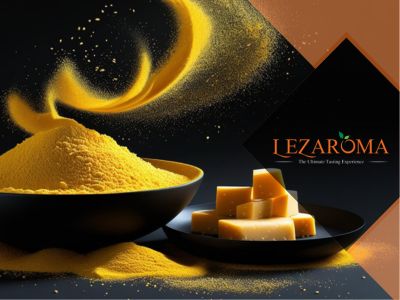
Cheddar cheese flavor: The sensory depth that creates the identity of modern food products
Cheddar cheese flavor is one of the most prominent and influential flavors in the food industry, not only because it is widely loved, but also because it possesses an exceptional ability to establish a clear and consistent taste identity for the final product. Cheddar is not merely a cheesy taste; it is a complete sensory experience that combines richness, warmth, and balanced saltiness with a smooth, creamy finish, leaving a lasting impression on the consumer's palate. For this reason, cheddar cheese flavor has become a pivotal element in the development of chips, crisps, and various snack products, and a benchmark against which the quality of other cheese flavors is measured in global markets.
Historically, cheddar has been associated with aged cheeses with a firm texture and deep flavor. With the development of the food industry, these natural characteristics have been transformed into a carefully crafted flavor suitable for large-scale industrial use. Industrial cheddar cheese flavoring does not simply mimic taste; it recreates the entire cheese experience in terms of aroma, taste, and mouthfeel, requiring a precise understanding of the chemical and sensory interactions that occur when consuming the product. This is why developing a successful cheddar flavor is no simple task; it's the result of extensive experience, numerous trials, and repeated testing to ensure consistent and uniform flavor in every production batch.
In the world of chips and French fries, cheddar cheese flavor plays a pivotal role in attracting consumers from the very first bite. When the chip touches the tongue, the flavor must emerge quickly without being overpowering, and spread evenly without overpowering the natural texture of the potato. This balance is what distinguishes a professional flavor from an ordinary one, because consumers aren't just looking for a strong taste, but for a pleasant experience they can repeat without getting bored. This is why cheddar cheese flavor is used extensively in products aimed at both families and young people, as it combines general appeal with a comforting feel.
The importance of cheddar cheese flavor increases when viewed from an industrial and marketing perspective. Factories that rely on this flavor need a supplier capable of providing a consistent flavor whose characteristics don't change with variations in production conditions such as temperature, type of oil, or frying time. It also needs a flavor that distributes easily throughout the product without clumping, and maintains an attractive color that doesn't negatively affect the final appearance. These requirements make cheddar cheese flavor more than just an additive; it's a strategic element that directly impacts the product's market success.
Technically, cheddar cheese flavor is often used in powder form, which gives it high flexibility in industrial production lines. Cheddar flavor powder allows for precise dosage control, and its concentration can be adjusted to suit the local tastes of each market. Some markets prefer a strong, saturated flavor, while others favor a milder flavor that allows the product's texture to shine through. This flexibility allows manufacturers to develop multiple products using the same basic flavor with slight variations in proportions, contributing to product diversification without significantly increasing costs.
Cheddar cheese flavor also plays a crucial role in innovation. It's no longer just an independent flavor; it has become a foundation upon which new blends are built. Cheddar flavor with chili, cheddar with smoked paprika, or cheddar with cream and onions are all examples of how cheddar can be used as a starting point for new taste experiences that meet the expectations of discerning consumers. This innovative dimension makes cheddar flavor a powerful tool for research and development teams within food manufacturers.
From a quality and reliability perspective, cheddar cheese flavor is a true test of supplier competence. Cheddar is a delicate flavor, and any slight imbalance can be readily apparent to the consumer. Therefore, manufacturers who rely on a professional flavor supplier understand the importance of obtaining a stable flavor that has been tested under various production conditions and complies with global food safety and quality standards. Furthermore, adherence to halal standards has become essential in many markets, making halal cheddar cheese flavor a preferred choice for manufacturers targeting Arab and Islamic markets.
The power of cheddar cheese flavor is also evident in its ability to enhance the product's market value. When cheddar is mentioned on a product's packaging, consumers expect a certain level of quality and taste. If this expectation is met or exceeded, it directly impacts consumer loyalty to the brand. This is why many successful brands rely on a carefully crafted cheddar flavor, understanding that taste is not just an initial attraction, but a fundamental element in building a long-term relationship with the consumer.
As markets evolve and competition intensifies, cheddar flavor has become part of a broader strategy encompassing taste excellence, sustained quality, and the ability to adapt to changing tastes. Today's consumer is more discerning, seeking products that combine great taste with carefully considered ingredients and a holistic experience. This makes investing in a high-quality cheddar flavor a strategic decision, not a secondary option.
Ultimately, cheddar flavor is at the heart of many successful food products because it possesses the ability to combine simplicity with depth, and broad appeal with distinction. It's a flavor that speaks a universal language understood by consumers everywhere, yet it can be customized to suit the specific needs of each market. Therefore, the cheddar cheese flavor will remain one of the most important flavors in the chips, potato and crisps industry, and an essential element in any production line that seeks success and continuity in a rapidly changing market.
#نكهة_الشيدر #نكهة_الجبنة #نكهات_غذائية #نكهات_الشيبس #نكهات_البطاطس #نكهات_المقرمشات #بودرة_نكهة #نكهات_صناعية #نكهات_حلال #صناعة_النكهات #FoodFlavors #CheddarFlavor #CheeseFlavor #SnackFlavors #PotatoChipsFlavors

Popular Articles