Flavors that shape the identity of food products in the modern industrial world
In the modern food industry, flavor is no longer a secondary addition or a detail that can be overlooked. It has become a pivotal element that defines a product's identity and makes a real difference between one brand and another. Today's factories, especially those producing chips, crisps, and snacks, operate in a highly competitive environment where consumer purchasing decisions are as much based on taste as on price and packaging. This is why relying on a professional food flavor supplier with experience, technical knowledge, and the ability to continuously develop has become so important—a true industrial partner, not just a raw material supplier.
Food flavors in the industry are not created haphazardly. They undergo meticulous stages, beginning with understanding the nature of the final product and its manufacturing method, whether fried, baked, or roasted. This includes studying the raw materials used, such as potatoes, corn, or wheat, and finally identifying the target audience and the prevailing tastes in the local, regional, or global market. All these factors combined determine the flavor's form, strength, composition, and stability during production and storage. Therefore, factories striving for sustainability and growth understand that investing in a well-thought-out flavor is a direct investment in the long-term success of their product.
In the world of chips and potato chips in particular, flavor plays a very delicate role. Consumers are accustomed to classic flavors like cheese, barbecue, salt, and vinegar, while simultaneously seeking new experiences that offer a different sensation without straying too far from the familiar. This delicate balance can only be achieved through the development of artificial flavors specifically designed for production lines—flavors that withstand the high temperatures of frying and maintain their sensory characteristics in terms of taste, aroma, and color after packaging and storage.
Modern artificial flavors no longer mean sacrificing quality or relying on traditional formulas. Instead, they have evolved to be as close as possible to natural tastes with greater control and consistency. Factories need a flavor that delivers the same sensation in every production batch, because even a slight difference can affect consumer confidence in the product. Therefore, food flavorings are now being developed using advanced technology in ingredient mixing, selecting suitable carriers, and scientifically adjusting the proportions of salts, sugars, and spices.
On the other hand, powdered flavorings have become the most widespread option in food factories due to their ease of use, precise control, and speed of application on production lines. Turkish powdered flavorings, for example, have gained a strong reputation in regional and global markets thanks to their high quality and compatibility with the requirements of various factories. They are designed for uniform distribution throughout the product, whether it's thin potato chips, thick crackers, or various snacks, and they allow the factory to control the dosage and final flavor in accordance with its pricing policy and target audience.
It is impossible to discuss flavorings without addressing the issue of customization, which has become a fundamental requirement in the industrial market. Factories are no longer satisfied with ready-made flavors; they strive to develop their own unique flavors that differentiate their brand from the competition. Developing custom flavors involves collaboration between the factory team and the flavor supplier's R&D team. This collaboration involves testing multiple samples, fine-tuning tastes, and adjusting saltiness, spiciness, or aroma until the perfect blend is achieved. This type of partnership fosters a long-term relationship built on trust and understanding, giving the factory a competitive edge that is difficult to replicate.
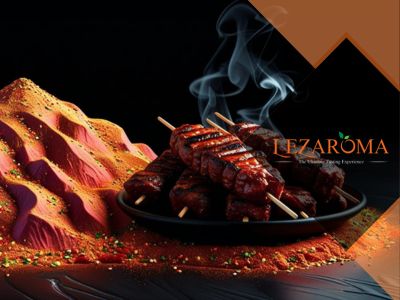
Target markets also play a crucial role in flavor selection. Factories exporting to Arab markets tend to favor flavors with an Eastern character, such as kebab, garlic, herbs, grilled chicken, and paprika. Some European markets prefer milder flavors like cream cheese or cream and onion. Asian markets, on the other hand, may prefer balanced hot or sweet flavors. This diversity requires the flavor supplier to have a deep understanding of food cultures and consumer trends, as well as the ability to adapt quickly to market changes.
Quality and reliability in food flavor supply are just as important as the taste itself. Factories need a supplier who adheres to specifications, provides consistent quality in every shipment, and complies with international food safety standards. Halal food flavorings have become a fundamental requirement in many markets, in addition to adherence to quality standards such as ISO and HACCP. This reassures manufacturers and gives them greater confidence in incorporating these flavorings into their products without operational or legal risks.
The global supply of food flavorings also requires a robust logistics infrastructure and the ability to handle export and international shipping efficiently. Having a flavoring factory in Turkey, for example, offers a significant strategic advantage, as Turkey serves as a bridge between East and West and enjoys easy access to markets in the Middle East, Europe, and North Africa. This geographical location helps manufacturers reduce delivery times and shipping costs, and obtain faster technical support when needed.
With the continuous evolution of the food sector, flavor innovation is no longer an optional extra, but a necessity for survival and competitiveness. Today's innovative flavors from manufacturers include a blend of classic and modern touches, such as combining hot and sweet, or smoky and acidic flavors, or developing flavors inspired by international dishes and adapting them for chips and snacks. This type of innovation opens new horizons for manufacturers to offer diverse and appealing products without requiring major changes to their production lines. Ultimately, flavor is the language through which a product communicates with the consumer, and it's the first thing that sticks in the memory after the initial experience. Choosing a professional food flavor supplier, capable of manufacturing, developing, and supplying consistently high-quality products, is a strategic decision that directly impacts the product's success in the market. Factories that understand this fact andTreating flavor as a key element of its strategy, it is best positioned to build strong and sustainable brands in the rapidly changing world of food industries.
#نكهات_غذائية #صناعة_النكهات #نكهات_صناعية #نكهات_الشيبس #نكهات_البطاطس #نكهات_المقرمشات #نكهات_بودرة #توريد_نكهات #مصنع_نكهات #نكهات_حلال #نكهات_تركية #FoodFlavors #IndustrialFlavors #ChipsFlavors #SnackFlavors #FlavorManufacturing #TurkishFlavors #AromaÜretimi #GıdaAromaları #CipsAroması #EndüstriyelAroma

Popular Articles