Flavors that shape the identity of food products in the modern manufacturing world
In the modern food industry, flavor is no longer merely an additive to enhance taste; it has become a fundamental element in building a product's identity and a direct cause of its success or failure in the market. Today's factories, especially those producing chips, potato chips, crisps, and snacks, seek stable, balanced flavors that can be industrially replicated, as consumers no longer tolerate taste variations between batches. This has created a genuine need for companies specializing in food flavoring, companies capable of understanding the requirements of industrial production lines as well as the tastes of the end consumer.
Artificial flavorings have evolved significantly in recent decades, no longer relying solely on traditional recipes. They have become the product of rigorous scientific work combining food chemistry, sensory analysis, and the study of consumer behavior. Factories producing chips, French fries, or crisps require flavorings that can withstand high temperatures during frying or baking while maintaining consistent taste, color, and aroma after packaging and storage. For this reason, choosing a flavoring supplier has become a strategic decision, not just a simple purchasing decision.
In Turkey, which has become one of the most important food industry hubs in the region, the demand for food flavorings specifically designed for factories, both for the domestic market and for export, has increased. Turkey's geographical location and proximity to Arab and European markets have made it an ideal starting point for supplying industrial flavorings to various countries around the world. This reality has prompted many flavor manufacturers to invest in developing high-quality Turkish powdered flavorings, specifically formulated to meet the needs of both large and medium-sized factories.
Potato chip flavorings represent one of the most sought-after flavor categories in the industrial market, as they require a delicate balance between saltiness, acidity, and spices. Cheese flavoring, for example, is not just a single taste, but a whole family of flavors that vary according to the target market. Some markets prefer mild cream cheese, others lean towards strong cheddar, while still others prefer a mild cheese flavor with a hint of tang. The same applies to barbecue flavoring, whose composition differs between European and Arab markets, as well as to salt and vinegar flavoring, which requires careful adjustment to avoid becoming too harsh or unpleasant for the consumer.
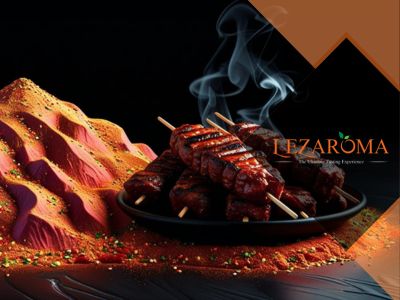
French fry manufacturers face additional challenges when choosing flavors, as potatoes themselves possess a natural taste that must be respected and not masked. For this reason, natural potato flavors have become an important option for manufacturers targeting consumers seeking lighter, more natural-looking products. Conversely, there is a growing demand for robust flavors such as chili, paprika, kebab, or garlic and herbs, especially in markets that favor an Eastern flavor or bolder tastes.
Powdered flavorings play a pivotal role in the modern food industry, as they streamline the production process and ensure even flavor distribution throughout the product. By using professionally formulated flavor powders, manufacturers can precisely control dosage, minimize waste, and achieve consistent quality over the long term. Powdered flavorings also help manufacturers reduce their reliance on fresh ingredients, whose quality can fluctuate depending on the season or country of origin.
Another crucial aspect of the world of artificial flavors is adherence to health and religious standards, particularly halal food flavorings. Many manufacturers exporting their products to Arab or Islamic countries stipulate that all flavorings used must be halal and certified according to clear standards. This requirement has driven flavor manufacturers to develop customized production lines that meet these demands without compromising taste quality or consistency.
Developing custom flavors has become one of the most sought-after services for food manufacturers. Instead of relying on pre-made flavors used by dozens of competitors, manufacturers strive to create unique flavors that differentiate their products in the market. This trend has led to close collaboration between research and development teams in flavor manufacturers and production and marketing teams in food factories, with the aim of creating flavors that reflect brand identity and align with consumer expectations.
Exporting plays a key role in the growth of the food flavor sector, as exporting manufacturers need flavor suppliers capable of providing large quantities with consistent quality, while adhering to the technical specifications required by each market. European markets, for example, place a strong emphasis on food safety standards, while other markets prioritize strong taste and competitive pricing. The ability to adapt to these varying requirements is what distinguishes a global flavor supplier from a limited, local one.
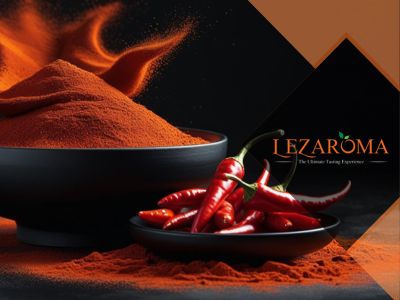
Flavor innovation is no longer limited to taste alone; it also encompasses color, aroma, and the entire sensory experience. Flavors like paprika don't just add taste; they also give the product an attractive color that enhances its visual appeal on store shelves. Similarly, flavors like cream, onion, or ketchup don't just appeal to the palate; they evoke a familiar experience for the consumer, one associated with their daily meals.
In the world of snacks and crisps, the rapid pace of trends plays a significant role in determining the types of flavors in demand. Flavors that were popular years ago may fade in favor of newer, bolder, or simpler flavors. Smart manufacturers constantly monitor these trends and partner with flavor suppliers capable of adapting quickly, whether by modifying existing formulas or developing entirely new flavors within a short timeframe.
Quality and reliability remain the deciding factors in choosing a flavor supplier. Any unintended change in flavor can lead to significant losses for the manufacturer, whether through consumer complaints or product recalls. Therefore, major manufacturers prioritize working with partners who have rigorous quality control systems and continuous testing of raw materials and finished products to ensure that each production batch matches the previous one.
Ultimately,It can be said that flavors are no longer a minor detail in the food industry, but have become a science and an industry in their own right. Factories that understand the importance of flavor and invest in selecting the right suppliers and developing innovative flavors tailored to their target market are the most likely to survive and compete in a rapidly changing market. Flavor is what consumers remember, and it's what motivates them to repurchase the product time and again. Therefore, investing in high-quality food flavors is a direct investment in the long-term success of a brand.
#نكهات_غذائية #تصنيع_النكهات #نكهات_صناعية #نكهات_الشيبس #نكهات_البطاطس #نكهات_المقرمشات #نكهات_بودرة #نكهات_حلال #توريد_نكهات #صناعة_غذائية #FoodFlavors #IndustrialFlavors #SnackFlavors #ChipsFlavors #PotatoFlavors #FlavorManufacturing #AromaSanayi #GıdaAromaları #CipsAroması #PatatesAroması #EndüstriyelAroma

Popular Articles