How do successful flavors make a real difference in the chips and snacks market
**How Do Successful Flavors Make a Real Difference in the Chips and Snacks Market?**
The snacks sector is experiencing rapid growth in various global markets, and consumers today are more interested in the taste experience than ever before. With many products becoming similar in appearance, packaging, and even price, flavor has become the most important factor determining a product's success and longevity in the market. This is why chip, crisp, and snack manufacturers are increasingly investing in developing professional flavors that give their products a unique identity and an unforgettable taste experience.
When a consumer buys a bag of chips for the first time, they may be drawn to the design or brand, but the decision to buy a second time depends almost entirely on the quality of the flavor. If the flavor is balanced, rich, and consistent, the product gains a stable customer base and achieves wider distribution. However, if the flavor is weak or inconsistent, the product loses its appeal, regardless of the quality of the other ingredients.
The modern potato chip flavor industry relies on scientific research and continuous development. Consumer behavior and dietary preferences are analyzed to design flavors that meet the needs of different markets. Some markets prefer spicy and intense flavors, while others favor cheesy flavors or those inspired by traditional local foods. Therefore, flavor companies are constantly working to innovate and create new solutions that meet these evolving demands.
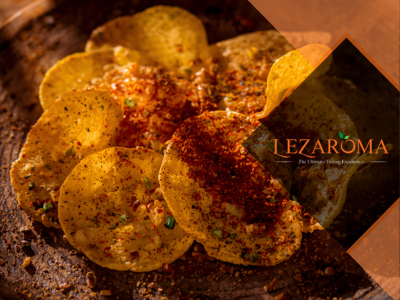
Flavor powders play a crucial role in the production of chips and snacks. They are responsible for transferring the flavor to the final product in a consistent and stable manner. These powders are developed using high-quality food ingredients and advanced technologies that ensure the flavor adheres to the product's surface and is not lost during packaging or storage. They are also designed to withstand various production conditions, including high temperatures and continuous frying.
In recent years, new trends have emerged in the world of artificial flavors, with manufacturers seeking flavors that possess a distinctive character reflecting the brand's personality. The goal is no longer simply to produce a traditional cheese or barbecue flavor, but rather to create unique recipes that give the product a distinctive and difficult-to-imitate signature. This strategy helps companies build greater consumer loyalty and strengthen their market position.
Furthermore, potato flavors are no longer limited to traditional, well-known options. They have expanded to include dozens of flavors inspired by global cuisines. Flavors inspired by Asian, Latin American, and Middle Eastern cuisines have become part of modern product lines. This diversity gives companies the opportunity to target new segments of consumers seeking different and innovative food experiences.
A key factor in the success of artificial flavoring is its consistency. Consumers expect to get the same taste in every package they buy. Therefore, flavors undergo rigorous testing before commercial approval to ensure consistent performance under various production and storage conditions. The quality of raw materials is also continuously monitored to maintain a consistent level of quality.
Potato seasonings and professional spice blends play a significant role in creating the flavor profile. Each ingredient in the blend contributes to the final taste experience. Blends may include a combination of herbs, natural spices, and aromatic compounds that work together to produce a complete and balanced flavor. The success of a flavor combination depends on the developers' ability to harmonize these different elements.
On the other hand, food manufacturers are increasingly seeking flavors that offer both economic value and high quality. Efficient flavor usage and ease of application on production lines contribute to cost reduction and improved productivity. Therefore, highly concentrated flavors are being developed, allowing for smaller quantities while maintaining the desired flavor intensity.
The snack food sector is also experiencing growing competition in innovation. Companies that continuously launch new flavors have a greater opportunity to attract consumers and maintain their market share. Consequently, investing in research and development has become a crucial part of the success strategy in this sector.
Custom flavors help manufacturers differentiate themselves from competitors by offering exclusive products that are difficult to imitate. These flavors are designed based on customer requirements and the nature of the target market, ensuring the product aligns with local consumer preferences. Saltiness, spiciness, and aroma can also be adjusted to suit each food project.
As the snack food industry continues to grow globally, flavors are becoming an increasingly important element in product success. Flavor is no longer just an added ingredient; it has become a marketing and production tool. By selecting high-quality flavors and developing innovative blends, manufacturers can achieve real added value and enhance their competitiveness in local and global markets.
The future of the chips and snacks industry will increasingly depend on flavor innovation and companies' ability to offer new experiences that meet evolving consumer expectations. Therefore, professional flavorings and specialty seasoning powders will remain key drivers of success and growth in the food sector in the coming years.
#ChipsFlavors #ChipsFlavors #ChipsPowder #ChipsSpices #ChipsSeasonings #ChipsMixes #PotatoFlavors #PotatoSpices #PotatoPowder #CrunchyFlavors #CrunchySpices #CornFlavors #CornPowder #SnackFlavors #SnackSpices #FlavorPowder #ReadyMadeFlavors #ManufacturedFlavors #ProfessionalManufacturedFlavors #FlavorsForFactories #StabilityFlavors #HighConcentrationFlavors #CommercialFlavors #CustomFlavors #BestChipsFlavors #ChipsFlavorsFromLizaroma #LizaromaChipsFlavorPowder

Popular Articles