Peanut flavor as an added value in modern food product innovation
In the ever-evolving and innovative world of food manufacturing, where excellence is paramount, flavor has become a crucial element in building a product's sensory identity. It's no longer merely an additive to enhance taste but has transformed into a strategic tool that strengthens a brand's market position. Among the flavors that have firmly established themselves across various age groups and global markets, peanut stands out as a rich and deep flavor with a distinctive character that combines natural fat with a warm, roasted note. These qualities make it an ideal choice for developing a diverse range of products, from sweets and snacks to baked goods and even some beverages and protein products.
Peanut flavor is associated with warmth, rich texture, and a satisfying sensation, giving the product a high sensory value from the very first taste. When artificially creating this flavor, the focus is on highlighting the roasted character of peanuts while maintaining a smooth taste and preventing any unwanted bitterness. This balance requires precise technical expertise because the natural roasting process of peanuts significantly impacts aroma and taste. Therefore, artificial flavors carefully replicate this process to produce a consistent and reproducible flavor profile in every production batch.
In confectionery and biscuit factories, peanut flavoring is a key element in developing distinctive and value-added products. When combined with chocolate or caramel, it enhances the sensory dimension, creating a rich experience that combines sweetness with a balanced creamy depth. It can also be used in fillings and creams to impart a thicker texture and a longer-lasting mouthfeel, which is preferred by many consumers seeking luxurious and satisfying products.
In the snack sector, peanut flavoring also plays a pivotal role, as it can be used in corn flakes, crackers, or even high-energy protein products. The roasted flavor gives these products a distinctive dimension that differs from traditional salty or spicy flavors, and it also provides a sense of nutritional completeness. This makes them suitable for consumers seeking a rich taste with a higher perceived nutritional value.
Technically, peanut flavoring is developed to be stable under varying manufacturing conditions. In baked goods, it must withstand high temperatures without losing its aroma or altering its flavor profile. In dried or powdered products, peanut flavoring must remain homogeneous and easily mixable with other ingredients. Therefore, it is formulated with a balanced composition that maintains its chemical and sensory stability during extended storage periods.
Peanut flavoring is available in various forms to suit different manufacturing needs, whether liquid for use in beverages and fillings or powder for use in dry products and snacks. This variety allows for significant flexibility in production lines and enables manufacturers to easily integrate the flavor into their processes without requiring substantial modifications to equipment or workflows.
From a marketing perspective, peanut flavoring holds particular appeal because it is a familiar flavor associated with globally successful products. This association gives consumers a sense of confidence and positive anticipation before trying the product. Furthermore, describing a product as containing peanut flavor adds an air of luxury and natural protein to the consumer's mind, even if the flavoring is artificially created to accurately mimic the real taste.
In global markets, the use of peanut flavoring varies according to food culture. In some countries, it is used extensively in confectionery and chocolate products, while in other markets, it is combined with savory flavors to produce snacks with an Asian or African flair, inspired by traditional cuisine. This versatility allows manufacturers to develop multiple product lines targeting different tastes using a single, easily adaptable flavor base.
Quality and safety are paramount in peanut flavor manufacturing, especially given some consumers' allergies to natural peanut products. Therefore, artificial flavoring adheres to strict standards to ensure it is free of any ingredients that could pose unforeseen risks, with its appropriate use clearly defined within the regulatory framework of each market. This commitment fosters confidence among manufacturers and distributors in incorporating the flavor into their products.
From an innovation perspective, peanut flavor can be enhanced by adding new dimensions such as smoky, salty, vanilla, or dark chocolate notes. These combinations pave the way for launching new, distinctive products without requiring a radical change to the flavor base. Continuous innovation in this field helps maintain consumer interest and provides brands with opportunities for expansion and growth.
In the context of industry competition, peanut flavor is an effective tool for building a strong taste identity. When carefully crafted to be balanced and rich, it creates an experience that is difficult to imitate, giving the product a clear competitive advantage. This distinctiveness can be the deciding factor for consumers choosing between several similar products in the same category.
As consumer preferences continue to evolve towards natural and rich flavors, peanut flavor has become a symbol of depth, warmth, and balance. It is a flavor capable of combining simplicity and richness simultaneously, providing manufacturers with a solid foundation for developing diverse products that meet the needs of local and global markets. Thanks to its industrial flexibility and sensory appeal, peanut flavor will remain a cornerstone in the world of modern food flavor development, capable of keeping pace with future transformations in the food sector without losing its position or influence.
Peanut Flavor

Creamy Peanut Flavor
Peanut Flavor for Chips
Peanut Flavor for Biscuits
Peanut Flavor for Ice Cream
Artificial Peanut Flavor
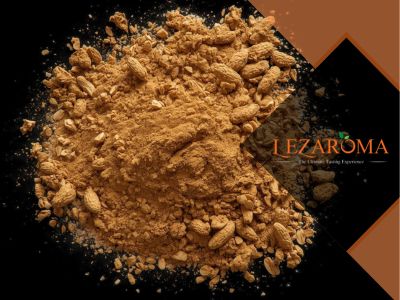
Peanut Flavor Powder
Peanut Flavor Manufacturing
Peanut Flavor Supplier
Peanut Flavor Development for Factories
Popular Articles