Smoke flavor and its prominent role in shaping the identity of industrial food products
In recent years, smoked flavor has become one of the most sought-after flavors in the food industry, not only because of its strong aroma, but also because it evokes a complete sense of experience, as if the consumer were tasting a product prepared over a real fire or in a traditional kitchen that relies on grilling and natural smoking. This profound sensory dimension has made smoked flavor a strategic choice for food manufacturers seeking to enhance the value of their products and create a professional and distinctive character that directly translates into market acceptance and consumer trust.
Smoked flavor is not tied to a single taste or specific ingredient, but rather it is a comprehensive flavor concept based on evoking the effect of woody smoke produced by burning certain types of wood, such as beech, oak, or walnut. This complex aromatic effect is what gives the flavor its depth and distinctiveness, and it is also what makes its industrial development a technical challenge that requires meticulous expertise in balancing aromatic compounds to ensure the flavor is neither too harsh nor overpowering, and at the same time, not so weak as to lose its impact.
In the industrial sector, smoke flavoring is considered a high-value addition to the final product, especially in chips, French fries, crackers, nuts, and snacks. This flavoring can transform a simple product into one reminiscent of barbecue or open flames, creating a mental association with higher quality and richer taste in the consumer's mind. This psychological connection plays a significant role in purchasing decisions, particularly in markets that favor strong and complex flavors.
Manufacturing smoke flavoring artificially differs entirely from using direct natural smoke. Factories rely on developing stable, food-safe flavor formulations that are compatible with modern production lines. These formulations are designed to withstand the high temperatures of frying or baking and maintain their properties after packaging and long-term storage. This technical aspect makes artificial smoke flavoring far more suitable for large-scale commercial production compared to traditional methods.
One of the most significant advantages of artificial smoke flavoring is that it gives manufacturers complete control over the degree of smoke in the product. The flavor can be subtle, adding a warm, subtle touch, or strong and pronounced, leaving an immediate impression from the first bite. This control allows the product to be targeted at different consumer segments. Some markets prefer a mild smoky flavor, while others gravitate towards a bold, intense taste. The ability to adapt the flavor to local tastes is a crucial factor in a product's global success.
In potato chip and snack food factories, smoked flavoring is often used as a base that can be combined with other flavors such as cheese, paprika, meat, or barbecue. This combination creates multiple flavor layers, making the taste experience richer and more complex. For example, smoked potato flavoring with a hint of saltiness evokes a sensation similar to charcoal-grilled potatoes, while combining smoked flavoring with cheese creates a Western flavor that is desirable in many markets.
From an industrial perspective, powdered smoked flavoring is the most commonly used form, given its ease of even distribution throughout the product and its simple integration into automated production lines. This form ensures consistent flavor from one batch to the next, minimizing variations that could affect the consumer experience. The powdered smoke flavor also boasts a long shelf life and chemical stability, making it suitable for export and extended storage without loss of its sensory characteristics.
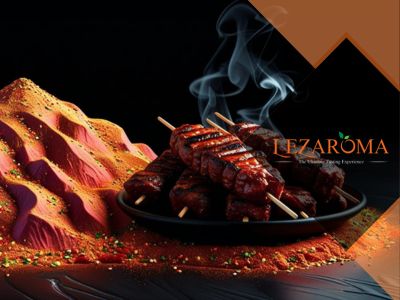
In global markets, smoke flavor plays a significant role in expanding the range of food products. In Europe and America, this flavor is associated with barbecue and smoked meat culture, making it desirable in chips and Western-style crackers. In the Middle East, smoke flavor is used to create a barbecue-like aroma in popular dishes, especially when combined with meat or kebab flavors. This versatility makes it one of the most flexible and adaptable flavors to different cultures.
Custom-made smoke flavor development has become a highly sought-after service for food manufacturers. Every manufacturer strives to have a distinctive flavor signature that sets them apart from the competition. One manufacturer might request a smooth, woody smoke flavor, while another prefers a dark, intense smoke flavor that evokes the aroma of an open flame. This customization isn't limited to taste alone; it also encompasses aroma, the speed at which the flavor appears in the mouth, and its longevity.
Quality and food safety are paramount in the production of smoker's flavor. All ingredients used must comply with international standards and be free of harmful substances, especially since some traditional tobacco products may contain undesirable compounds. Advanced artificial flavoring allows for the smoky sensation without the health risks associated with natural smoking, making it a safe and reliable option for manufacturers who prioritize product safety and their market reputation.
From a marketing perspective, smoker's flavor adds significant value to the product in terms of description and presentation. Terms like "smoked," "grilled," or "fire flavor" resonate strongly with consumers and create an impression of strength and distinction. This impression helps brands stand out on crowded store shelves, particularly in the highly competitive snack category.
As consumer tastes evolve and interest in complex flavor experiences grows, smoker's flavor has become more than just a passing fad. It's a flavor imbued with emotion, evoking memories of barbecues and gatherings, giving it a powerful appeal that many other flavors lack. This emotional dimension makes it a smart choice for manufacturers seeking to build a long-term connection between their product and consumers.
Ultimately, it can be said that the smoked flavor represents one of the most important elements of development in the modern food flavor industry. It's a flavor that combines sensory depth, industrial flexibility, and marketing appeal. Its strategic use in food products contributes to raising awareness.The level of quality enhances the brand identity and opens new horizons for innovation and expansion in local and global markets. As flavor manufacturing technologies continue to evolve, smoked flavor will remain a pivotal element in the future of the food industry, adaptable to both factory requirements and consumer expectations.
#ChipsFlavors

#ChipsTastes
#ChipsFlavors
#ChipsPowder
#ChipsSpices
#ChipsSeasonings
#ChipsMixes
#PotatoFlavors
#PotatoSpices
#PotatoPowder
#CrunchyFlavors
#ChipsFlavors
#CrunchyFlavors
#CrunchySpices
#ChipsSpices
#CornFlavors
#CornPowder
#SnackFlavors
Popular Articles