
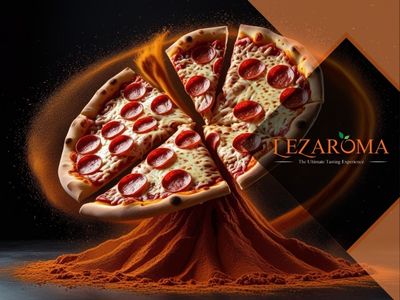
The flavor of pizza: a global memory transformed into a fully integrated industrial experience
Pizza flavor is one of the most complex and widespread flavors in the modern food world. It's not just a single, easily defined taste, but a complete system of flavors that combine multiple elements to create a feeling that is both familiar and universal. Pizza flavor represents a food culture before it is a flavor formula, because in the collective consciousness it is linked to enjoyment, sharing, and fast food that brings people of all ages and backgrounds together. This is why pizza flavor has transformed from a traditional dish into an industrial flavor concept used in hundreds of food products worldwide, from chips and crackers to sauces and ready meals.
When we talk about pizza flavor from an industrial perspective, we're not talking about a single ingredient like cheese or tomatoes, but rather an integrated structure that aims to replicate the experience of eating pizza itself. There's the mild acidity from the tomatoes, the rich creaminess from the cheese, the herbaceous depth added by thyme and oregano, along with touches of garlic and onions, and sometimes black pepper or paprika. This diversity makes pizza flavor one of the most challenging flavors to manufacture, because any slight imbalance can result in a flat or undesirably overpowering taste.
In the modern food industry, pizza flavor has become a strategic choice for manufacturers seeking a widely accepted and highly marketable flavor. While consumers may have varying preferences for cheese, barbecue, or chili flavors, they often feel an immediate connection to pizza flavor, as it evokes a familiar and cherished experience. This connection gives the product a greater chance of success in the market, especially in the snack category, which relies heavily on first impressions.
Pizza flavor is particularly important in chips and crisps because it can transform a simple product into a rich experience. When eating a pizza-flavored chip, the consumer doesn't just taste the potato; they feel as though they are approaching the taste of pizza itself, while maintaining the product's crispy texture. This interplay between texture and flavor is what makes pizza flavor especially appealing, as it adds a new dimension to the product without altering its fundamental nature.
Technically, industrial pizza flavoring relies on advanced technology to blend aromatic and flavoring ingredients in a way that ensures consistent flavor throughout the various stages of production. Potato chip production lines, for example, are exposed to high temperatures, requiring a flavor profile designed to withstand these conditions without losing its characteristics or becoming inconsistent. The flavor must also be distributed evenly throughout the product, ensuring the consumer receives the same experience with every chip—a real challenge for mass-produced products.
Pizza flavor is also highly versatile, as it can be adapted to suit different tastes and markets. Some markets prefer a distinctly cheesy pizza flavor, while others favor a more herbaceous flavor with a strong oregano presence. Still others prefer a subtle spicy touch that reflects the style of spicy pizza. This flexibility makes pizza flavor an ideal choice for manufacturers operating in multiple markets, as it allows for the development of multiple versions of the same basic flavor without requiring a radical change to the production line.
Pizza flavor plays a crucial role in food innovation, as it forms a foundation upon which to build new products. By combining pizza flavor with extra cheese, meat, or vegetable flavors, a new experience can be created that maintains the essence of pizza while adding a distinctive touch. This approach to flavor development helps brands continuously innovate without losing consumer trust, as it offers something new within a familiar framework.
From a quality perspective, pizza flavor is a crucial indicator of a supplier's professionalism. Consumers have a clear reference point for the taste of pizza, and any deviation from this reference point can be noticeable and unacceptable. Therefore, reputable manufacturers rely on carefully formulated pizza flavors that have undergone extensive testing to ensure their balance and consistency. Adherence to food safety and quality standards, as well as halal requirements in some markets, has become an essential part of developing industrial pizza flavors.
From a marketing perspective, pizza flavor possesses significant appeal because it is associated with enjoyment, convenience, and fast food. When this flavor is used in a food product, it indirectly conveys these feelings to the consumer. This makes pizza flavor a marketing tool in its own right, especially when it is presented with high quality that respects consumer expectations and goes beyond simply naming the flavor.
With evolving consumer awareness, taste alone is no longer sufficient; ingredients, manufacturing methods, and transparency have become increasingly important. Therefore, modern pizza flavor in the food industry is moving towards a more balanced, natural taste, minimizing artificiality and focusing on the harmony between different elements. This trend reflects an evolving understanding of flavor not just as a means of adding taste, but as an integral part of a complete culinary experience.
In a highly competitive world, pizza flavor remains one of the most resilient and adaptable. It is a flavor that transcends cultures, is universally understood, and can be adapted to the demands of diverse markets. It is a flavor that embodies the story of a popular food transformed into a sophisticated industrial product, combining science, taste, and innovation. This is why pizza flavor continues to play a pivotal role in the food flavor industry and remains a key choice for manufacturers seeking to offer products that combine widespread acceptance, a strong identity, and longevity in a constantly evolving market.
Pizza flavor

Industrial pizza flavor
Food-grade pizza flavor
Pizza flavor for chips
Pizza flavor for snacks
Pizza flavor for potatoes
Pizza powder flavor
Ready-to-use pizza flavor
Pizza flavor for snack foods
Pizza flavor for food products
Pizza flavor manufacturing
Pizza flavor development
High-quality pizza flavors
Professional pizza flavor
Stable pizza flavor
Heat-resistant pizza flavor
Pizza flavor for production lines
Pizza flavor for food factories
Pizza flavor for packaging and processing
Custom pizza flavor
Tailor-made pizza flavor
Balanced pizza flavor
Italian-style pizza flavor
Cheesy pizza flavor
Pizza flavor with tomato and herbs
Pizza flavor for fried products
Pizza flavor for baked products
Pizza flavor for Middle Eastern markets
Pizza flavor for global markets
Popular Articles